Unlock Your Dogs Possible: A Comprehensive Overview to Effective Dog Training Techniques
Disclosing a dog's prospective includes even more than easy obedience. It needs an extensive understanding of canine actions and reliable training strategies. Favorable support plays an essential role in fostering a solid bond and motivating wanted behaviors. Additionally, socialization and attending to behavioral issues are essential components. As owners check out these approaches, they will certainly find the nuances that cause a well-adjusted and confident canine friend. The trip to reliable training is simply starting.
Understanding Your Dog's Habits
Understanding a dog's actions is necessary for reliable training and communication. Canines, as social animals, show numerous habits that can show their demands and emotions. Observing body language, such as tail setting, ear positioning, and posture, uses insights right into a dog's mood-- whether they are unwinded, nervous, or hostile. Furthermore, articulations like barking, whining, or growling convey various significances, commonly showing their state of mind. Recognizing these signals allows proprietors to respond suitably, promoting a stronger bond. Socializing experiences likewise shape actions, affecting how canines engage with other pets and people. By extensively recognizing these behavior cues, owners can create an extra harmonious setting, causing more effective training results and enhanced communication with their canine companions.
Favorable Support Training

Advantages of Favorable Support
Thoughtful training techniques have actually acquired significant recognition in the area of pet dog training, especially via using favorable reinforcement. This technique highlights satisfying preferred habits instead of penalizing undesirable ones. The advantages of favorable reinforcement are various. To start with, it fosters a solid bond in between the dog and handler, advertising trust fund and collaboration. Furthermore, dogs trained using this technique are frequently much more determined to find out, as they connect training with positive experiences. Additionally, favorable reinforcement can lead to resilient behavior adjustments, as it motivates canines to duplicate behaviors that produce rewards. Ultimately, this technique minimizes stress and anxiety, producing an extra satisfying discovering atmosphere. Overall, the performance of positive support makes it a favored option amongst pet dog trainers and owners alike.
Methods for Reliable Training
Effective training strategies build upon the structures laid by favorable reinforcement. This technique urges preferred actions with incentives, cultivating a favorable learning setting. Techniques such as remote control training and treat-based incentives effectively communicate to pets what activities are valued. Consistency is essential; commands ought to be clear and incentives prompt, reinforcing the link in between behavior and result. Furthermore, differing rewards-- using deals with, praise, or play-- can keep a dog's inspiration. Incorporating brief training sessions enhances focus and retention, while progressively enhancing difficulty assists dogs develop self-confidence. Socialization with other canines and individuals can additionally be integrated, allowing for real-world technique of found out actions. Eventually, these methods produce a solid bond in between dog and proprietor, facilitating reliable interaction and good understanding.
Standard Commands Every Dog Need To Know
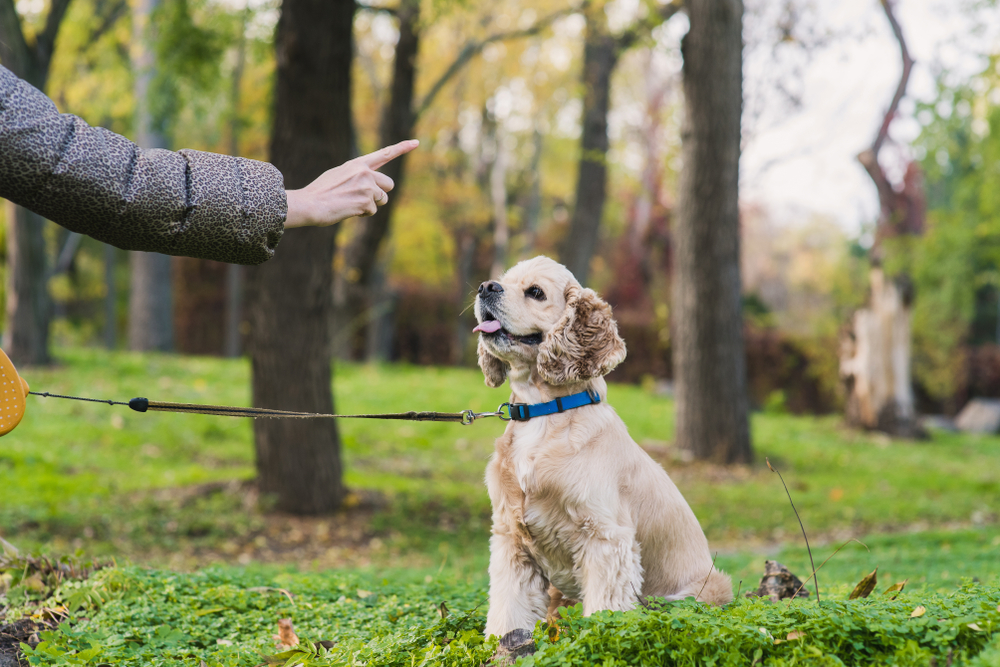
A strong structure of standard commands is necessary for every dog, as it fosters interaction in between the owner and the family pet. Secret commands include "rest," "stay," "come," "down," and "leave it." These commands not only develop a framework for obedience however additionally enhance security throughout strolls and getaways. Showing "sit" supplies a basic method for canines to react to requests, while "remain" enhances persistence. The command "come" is important for ensuring a dog returns when called, decreasing the danger of mishaps. "Down" encourages peace, and "leave it" aids prevent unwanted behaviors, such as scavenging. Consistent training with positive support assurances that dogs recognize and react dependably, ultimately enhancing the bond between proprietor and pet dog.
Socializing: The Key to a Well-Adjusted Dog
Socialization works as a foundation in establishing a well-adjusted canine, shaping actions that advertise harmony in numerous atmospheres. Via direct exposure to various people, pets, and setups, pets find out to browse social interactions and create confidence. Early socialization, preferably throughout the vital duration between 3 to 14 weeks old, allows puppies to develop positive organizations, decreasing the probability of concern and stress and anxiety later on in life. Participating in young puppy classes, supervised playdates, and varied outings can improve a dog's versatility and reduce sensitivity. Additionally, continuous social experiences throughout a dog's life are necessary for maintaining their social skills. By prioritizing socializing, proprietors foster a well balanced, pleasant companion who thrives in varied circumstances.
Resolving Behavioral Issues
Lots of canines encounter behavior concerns that can disrupt their partnership with owners and prevent their overall wellness. Common troubles include too much barking, chewing, and aggressiveness, which often originate from concern, anxiety, or absence of training. Identifying the origin is important for effective intervention. Constant training and positive support can help customize unfavorable actions. For example, rewarding tranquil habits can minimize barking, while offering ideal chew playthings can deter destructive eating. Furthermore, producing an organized regimen can boost a dog's sense of protection, leading to enhanced actions. Owners should remain patient and understanding, as dealing with these issues may call for time and persistence. With the best technique, several behavioral problems can be effectively handled, fostering a much healthier bond in between pet dog and owner.
Advanced Training Techniques for Enthusiastic Learners
Advanced training techniques can boost the skills of enthusiastic students and their canine companions. Techniques such as remote control training, dexterity principles, and progressed obedience abilities use organized approaches to enhance communication and performance (Puppy Training Freeport FL). These techniques not just cultivate a more powerful bond in between pet and trainer however likewise provide mental excitement for the web link dog
Clicker Training Techniques
Remote control training has become a preferred and effective technique for dog trainers seeking to enhance their canine friends' understanding experience. This positive support method employs a tiny handheld tool that emits an unique noise, noting preferred actions promptly. By linking the audio of the remote control with rewards, such as treats or praise, pet dogs swiftly find out to link details activities with positive end results.

Instructors can utilize clicker training for different commands, tricks, and even dealing with behavioral concerns. Uniformity is important; each click must be followed by a benefit to reinforce the actions. Puppy Training Freeport FL. In addition, this method cultivates a bond in between the fitness instructor and pet dog, as it motivates communication and understanding. With practice, both amateur and seasoned fitness instructors can effectively implement remote control training methods
Dexterity Training Principles
Structure on the concepts of favorable support exhibited in remote control training, agility training presents pet dogs to a series of barriers created to evaluate their rate, control, and responsiveness. This dynamic sport includes various components, such as dives, tunnels, and weave posts, motivating pet dogs to navigate through programs with precision. Trainers play an essential function, making use of verbal cues and body movement to guide their pet dogs efficiently. First training focuses on acquainting canines with each barrier, ensuring they really feel determined and certain. As pet dogs progress, they learn to finish entire courses, enhancing their physical fitness and mental skill. Ultimately, agility training not just cultivates a deeper bond between pet dog and trainer but additionally offers an electrifying electrical outlet for a dog's energy and intelligence.
Advanced Obedience Skills
While several canine owners begin with fundamental commands, diving right into innovative obedience abilities can substantially boost a dog's training experience and responsiveness. Advanced abilities such as off-leash heeling, range commands, and complicated tricks not just challenge the pet mentally however pop over here additionally enhance the bond in between the proprietor and their pet dog. Methods like remote control training, marker training, and favorable support are important in this phase. Consistency and perseverance are critical, as canines call for time to master these abilities. Moreover, including distractions during training sessions can improve emphasis and reliability. Participating in innovative obedience not just makes training satisfying however additionally fosters a well-mannered and confident canine friend, all set to take on brand-new challenges with excitement.
Frequently Asked Questions
For how long Does It Take to Train a Canine Successfully?
Training a dog properly can take anywhere from a couple of weeks to several months, depending on elements like the pet dog's age, type, personality, and the uniformity of the training approaches used by the proprietor.
Can Older Dogs Learn New Techniques?
Yes, older pets can discover new methods. With persistence, consistency, and favorable support, they often adjust well to training. Their desire to find out might surprise their owners, confirming that age does not restrict learning prospective.
What Should I Do if My Dog Rejects to Listen?
If a dog refuses to listen, the owner needs to stay tranquil and individual, reassess the training approach, guarantee distractions are reduced, and consider making use of favorable reinforcement techniques to motivate desired habits effectively. Freeport Florida Dog Trainer.
Just how Do I Preserve My Dog's Training Over Time?
To preserve a dog's training with time, consistent support of discovered commands, normal session, and positive incentives are necessary. Furthermore, including training right into daily regimens maintains skills fresh and reinforces the bond in between owner and canine.
Exist Any Type Of Training Techniques to Prevent?
Specific training techniques ought to be prevented, such as those utilizing physical penalty, intimidation, or excessive force. Favorable reinforcement techniques are suggested instead, promoting count on and a healthy bond between the pet and its proprietor.
Compassionate training approaches have obtained considerable recognition in the area of pet training, especially through the use of positive support. In enhancement, pets educated using this technique are typically extra determined to find out, as they link training with favorable experiences. Building on the principles of favorable reinforcement exhibited in remote control training, agility training presents canines to a series of barriers developed to evaluate their responsiveness, great site sychronisation, and rate. While lots of pet proprietors begin with basic commands, diving into sophisticated obedience skills can considerably enhance a dog's training experience and responsiveness. To keep a dog's training over time, consistent support of learned commands, routine technique sessions, and favorable rewards are important.